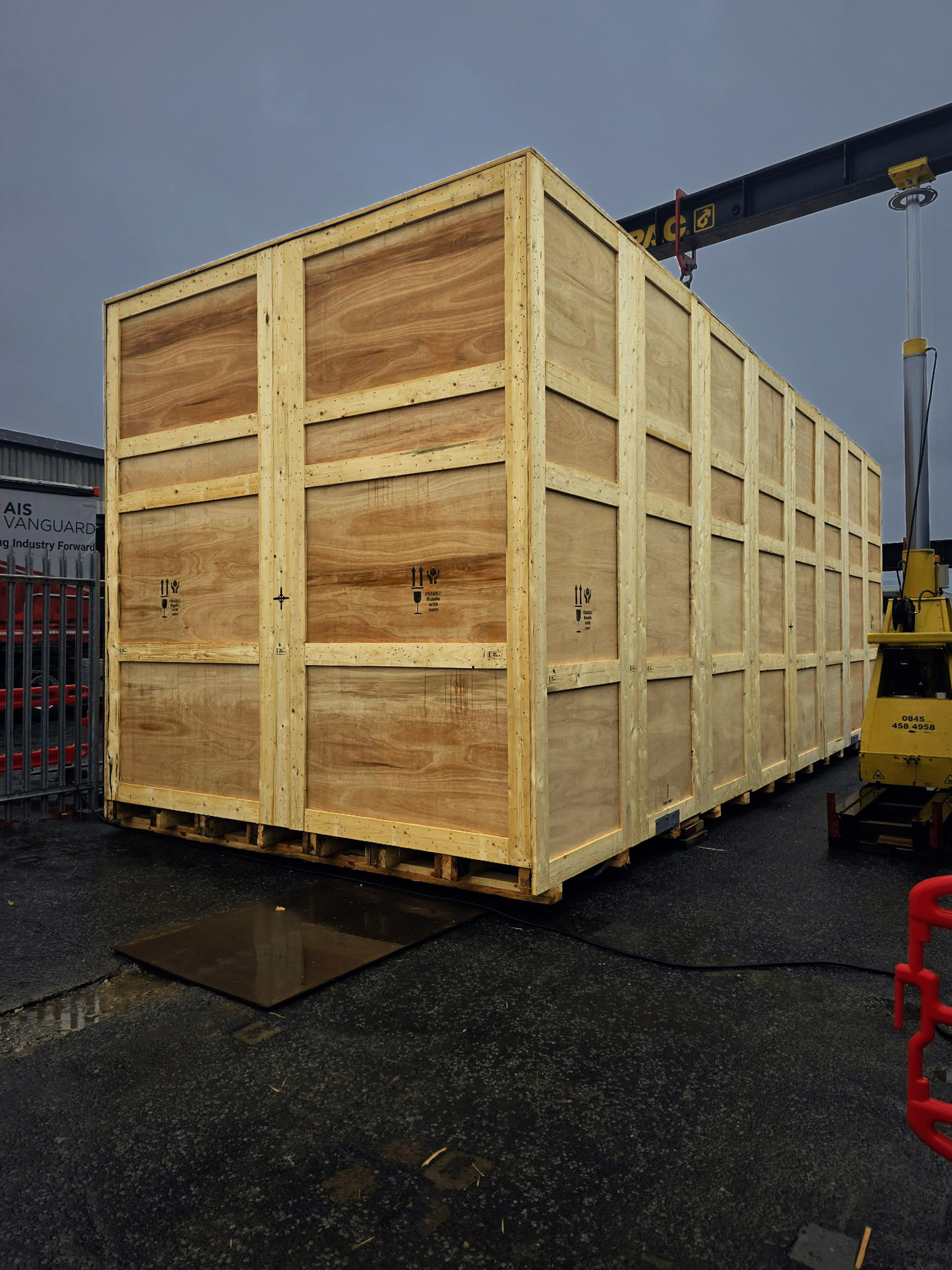
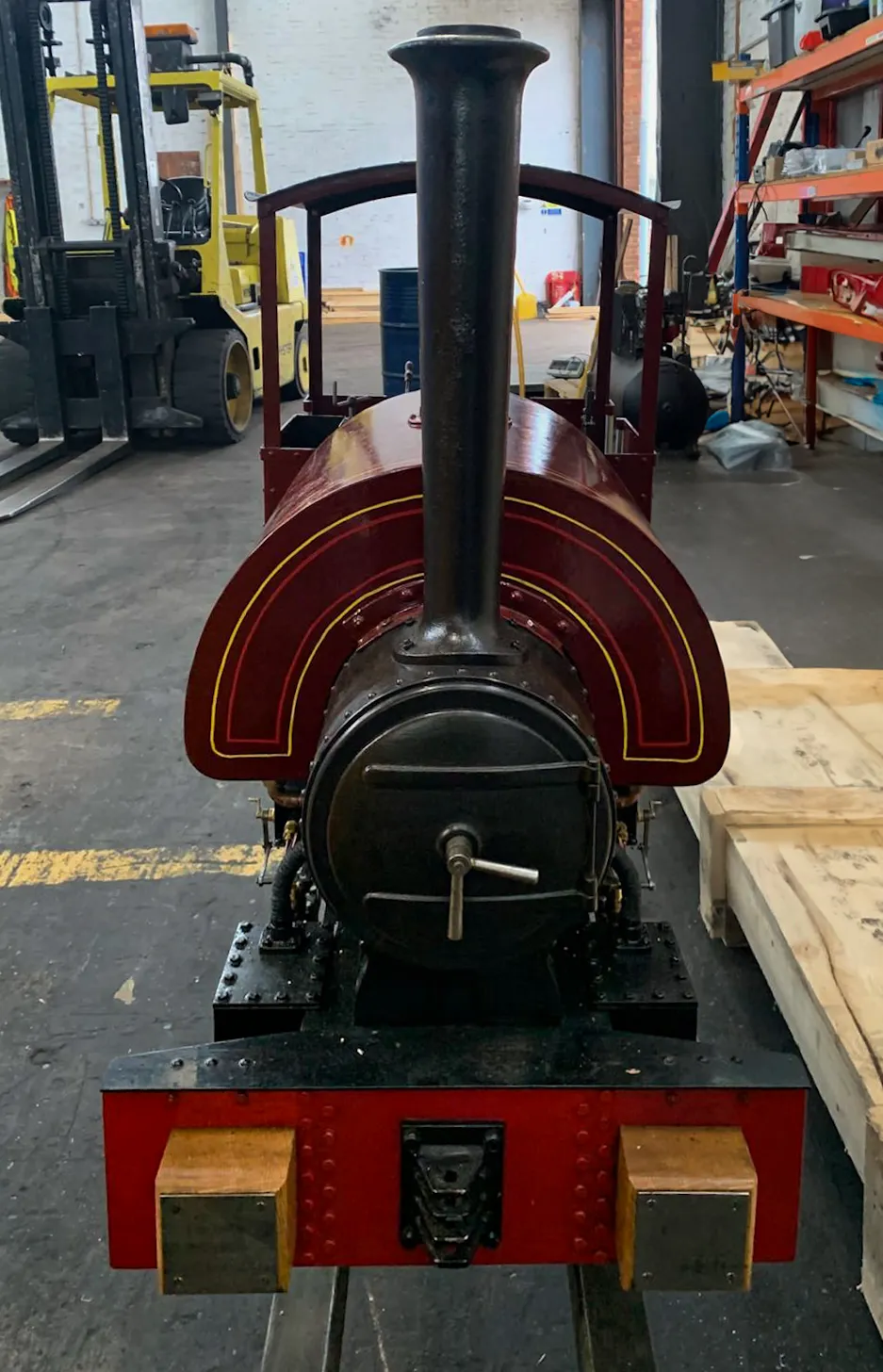
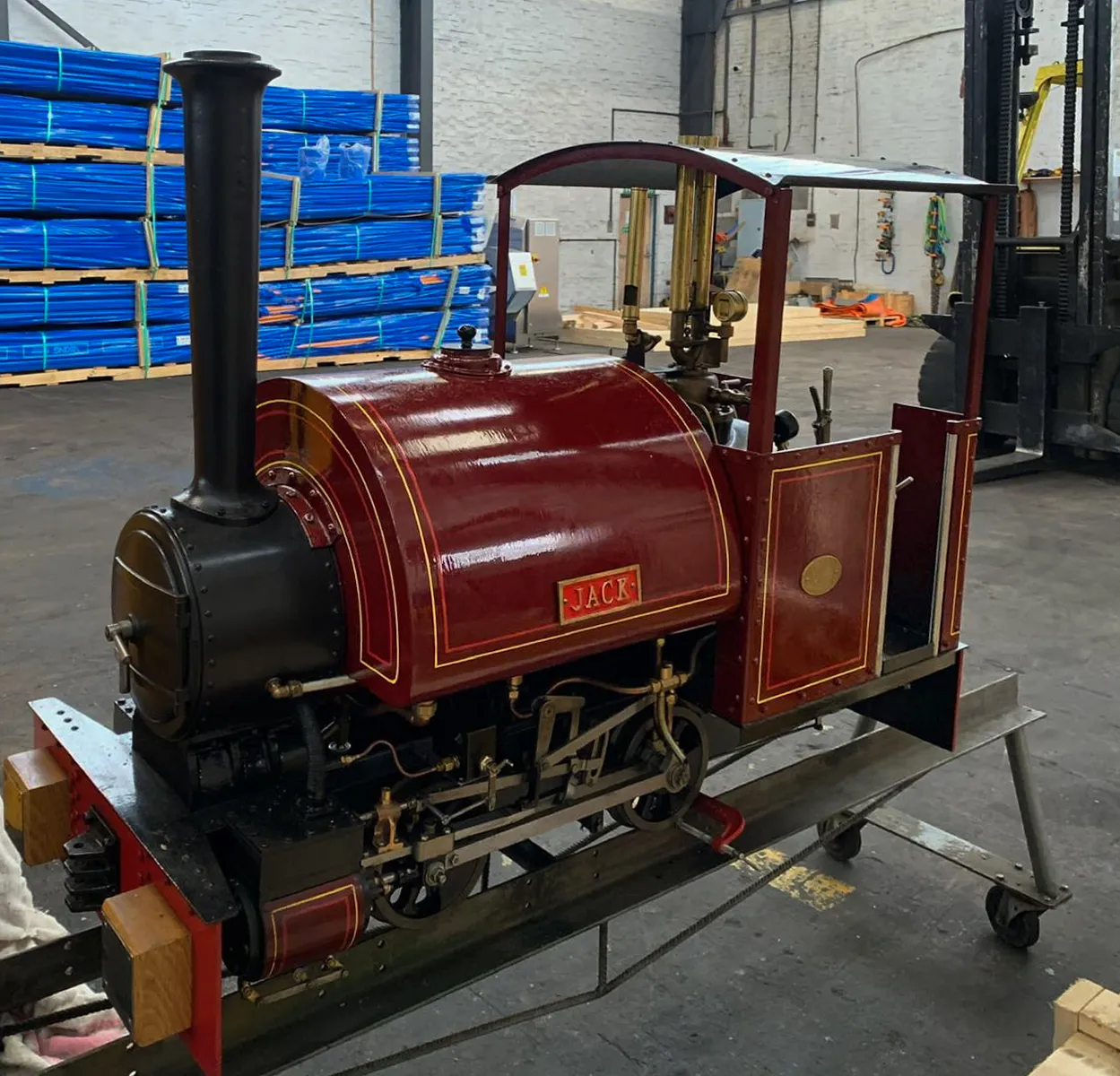
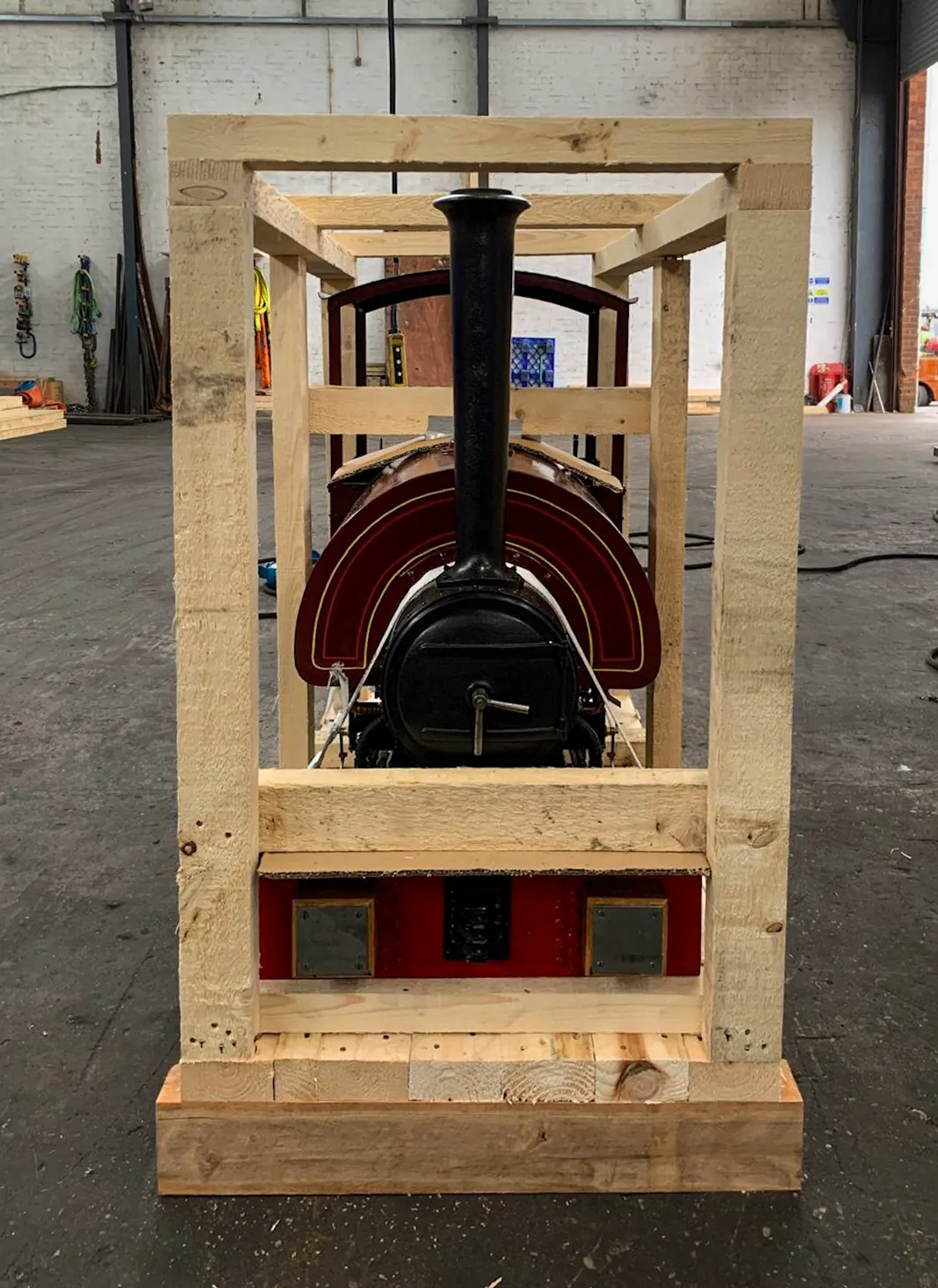
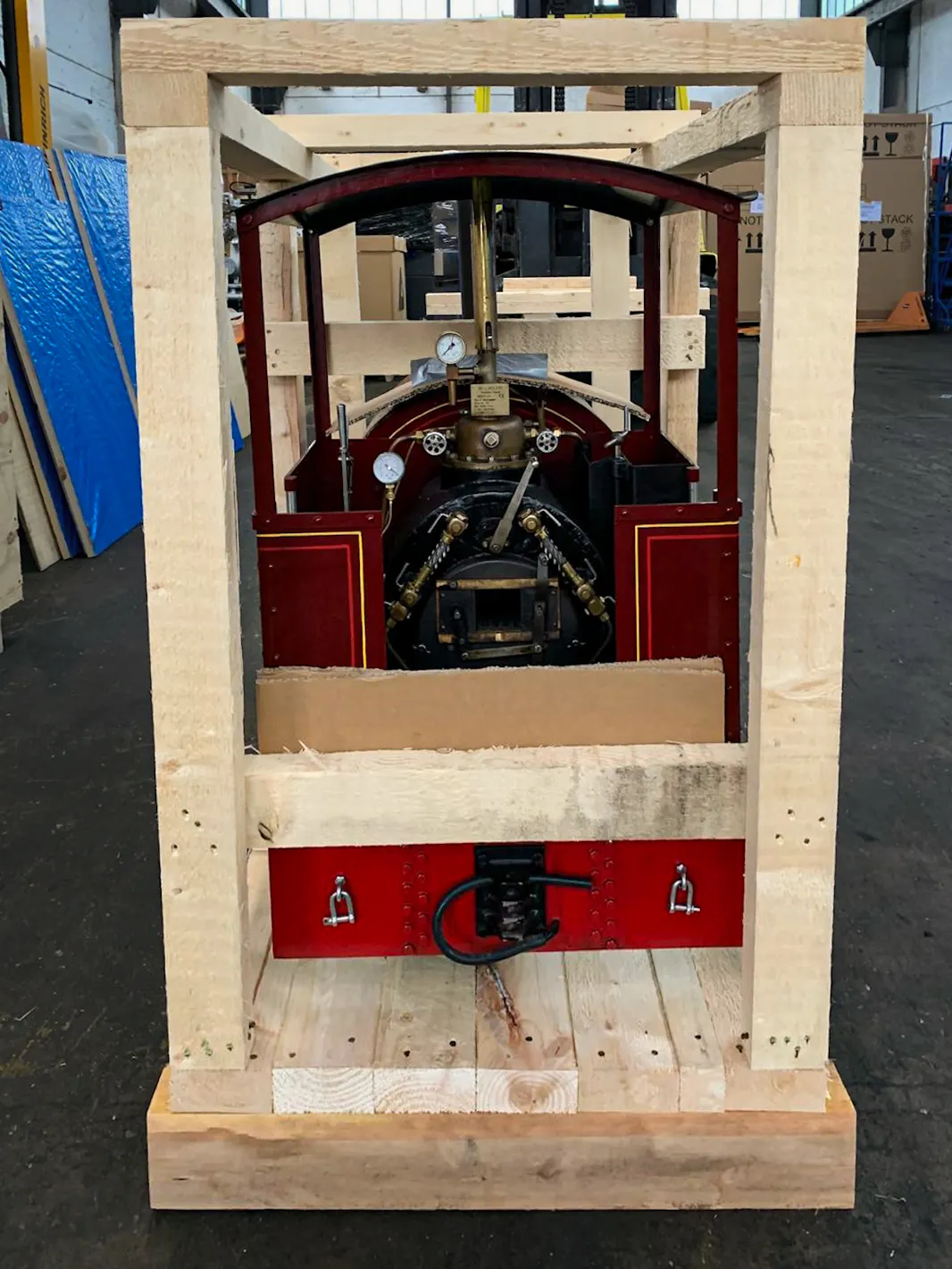
Two bespoke export crates for test cell modules

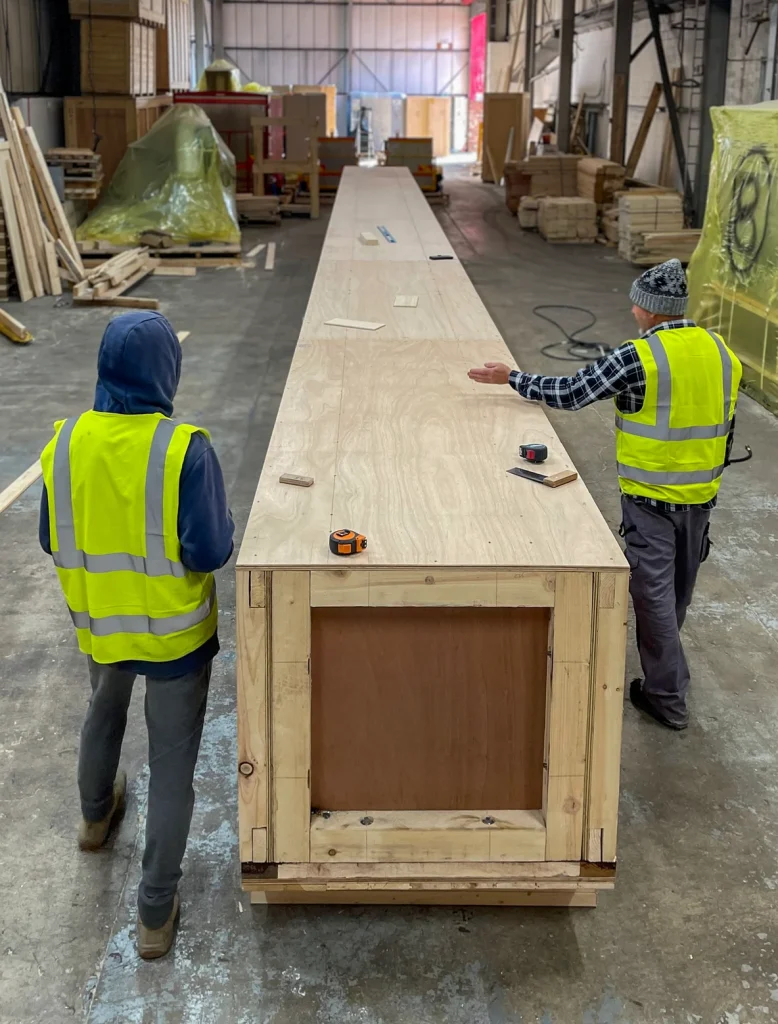
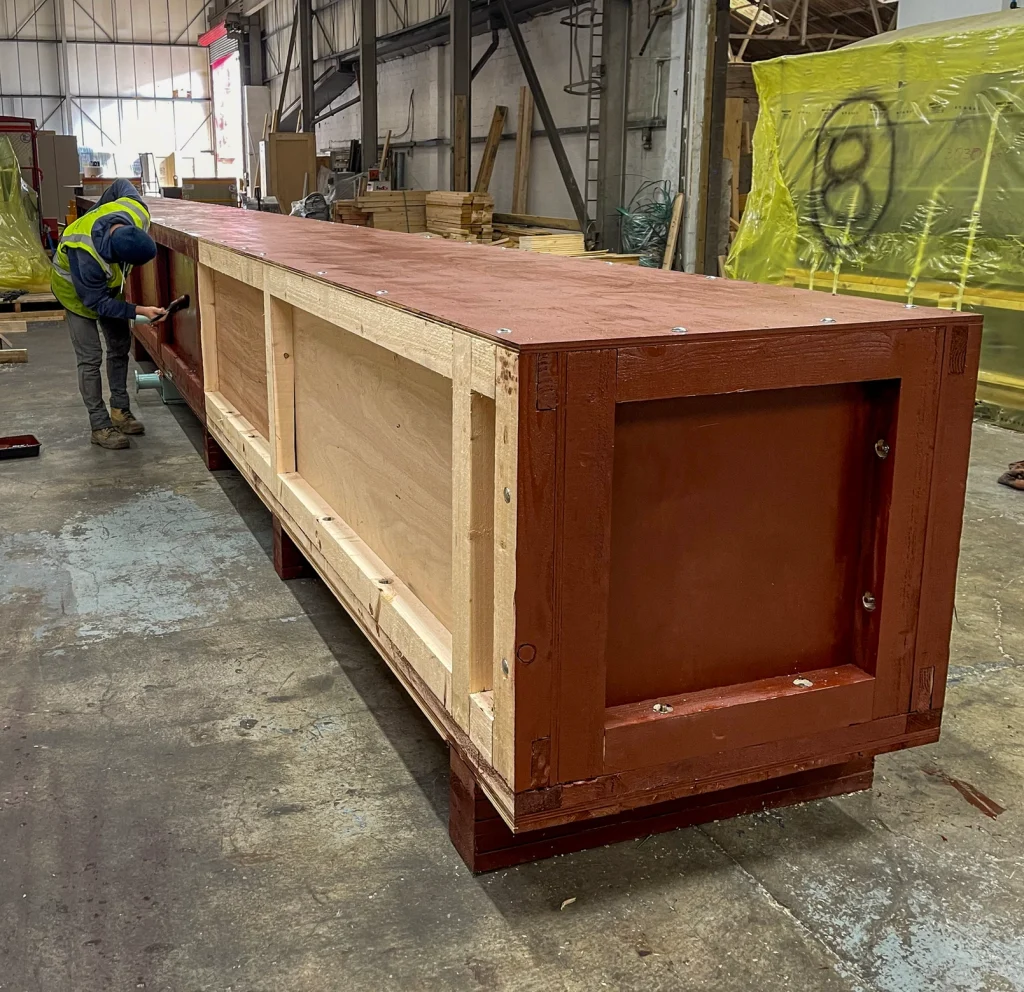
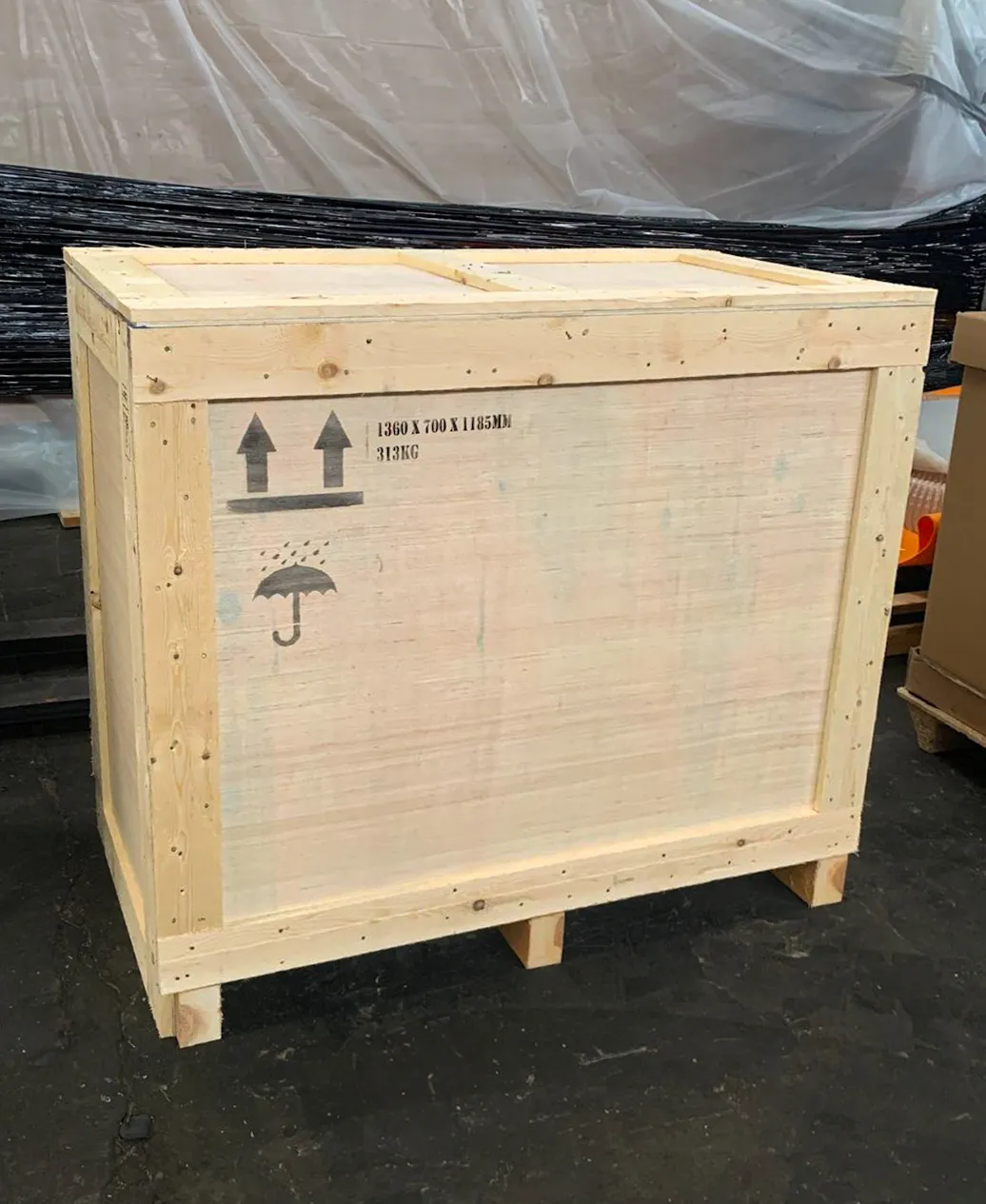
What do you do when the cargo is too big for any standard crate? You build the crate around it.

The challenge

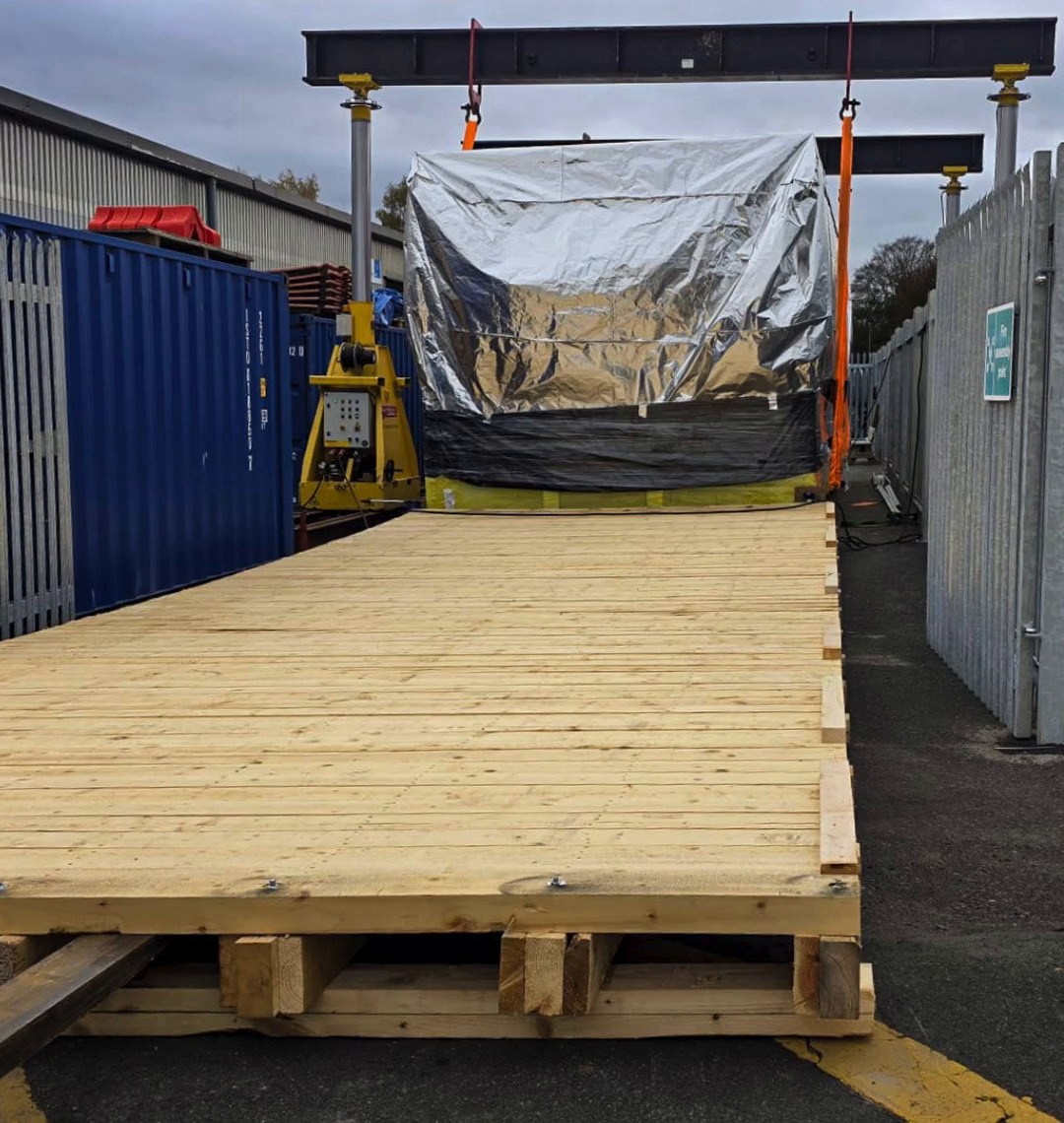
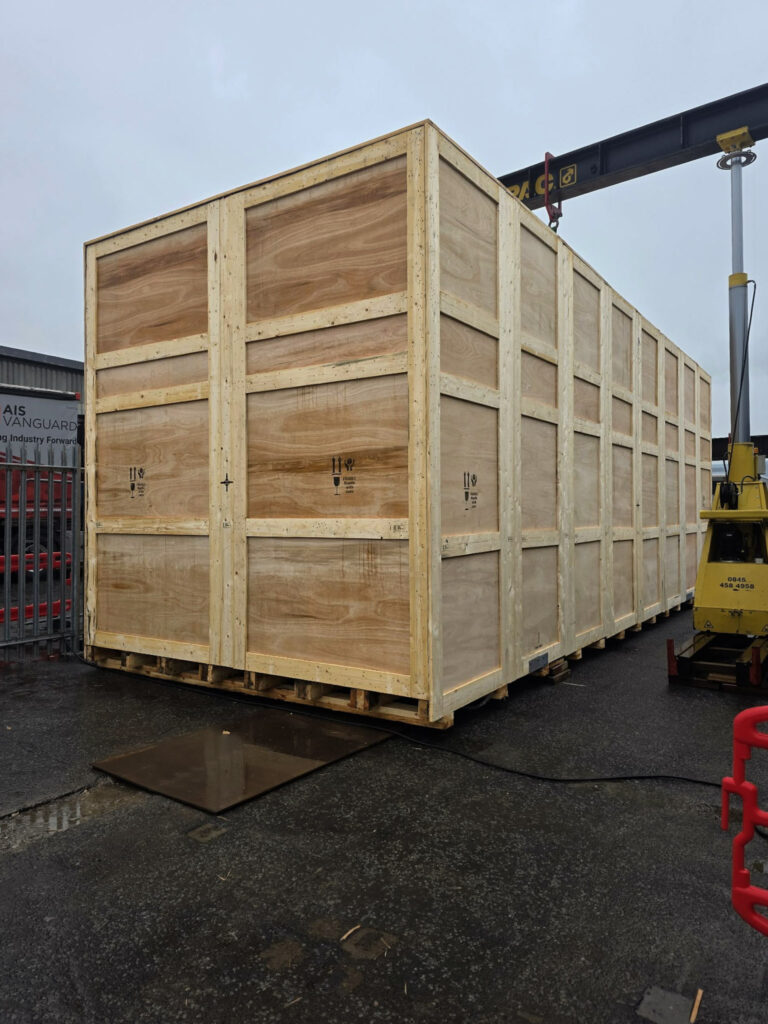
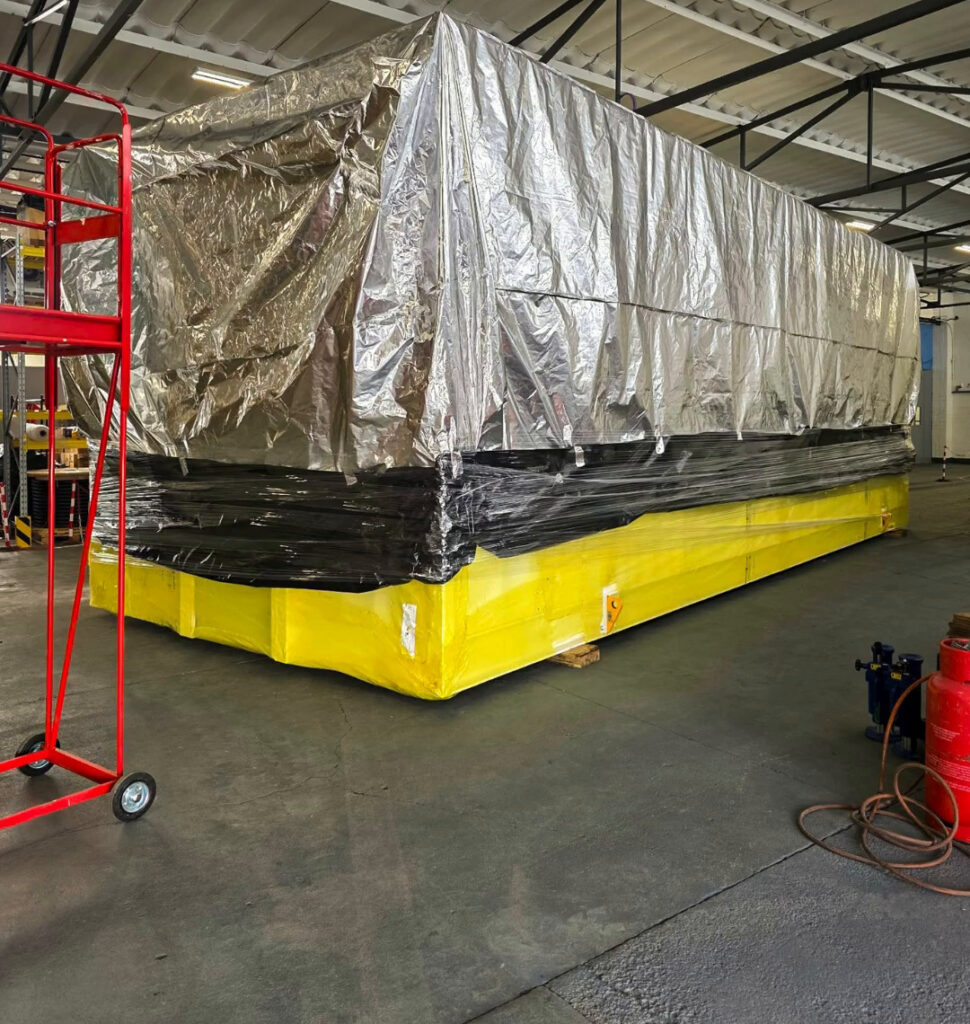
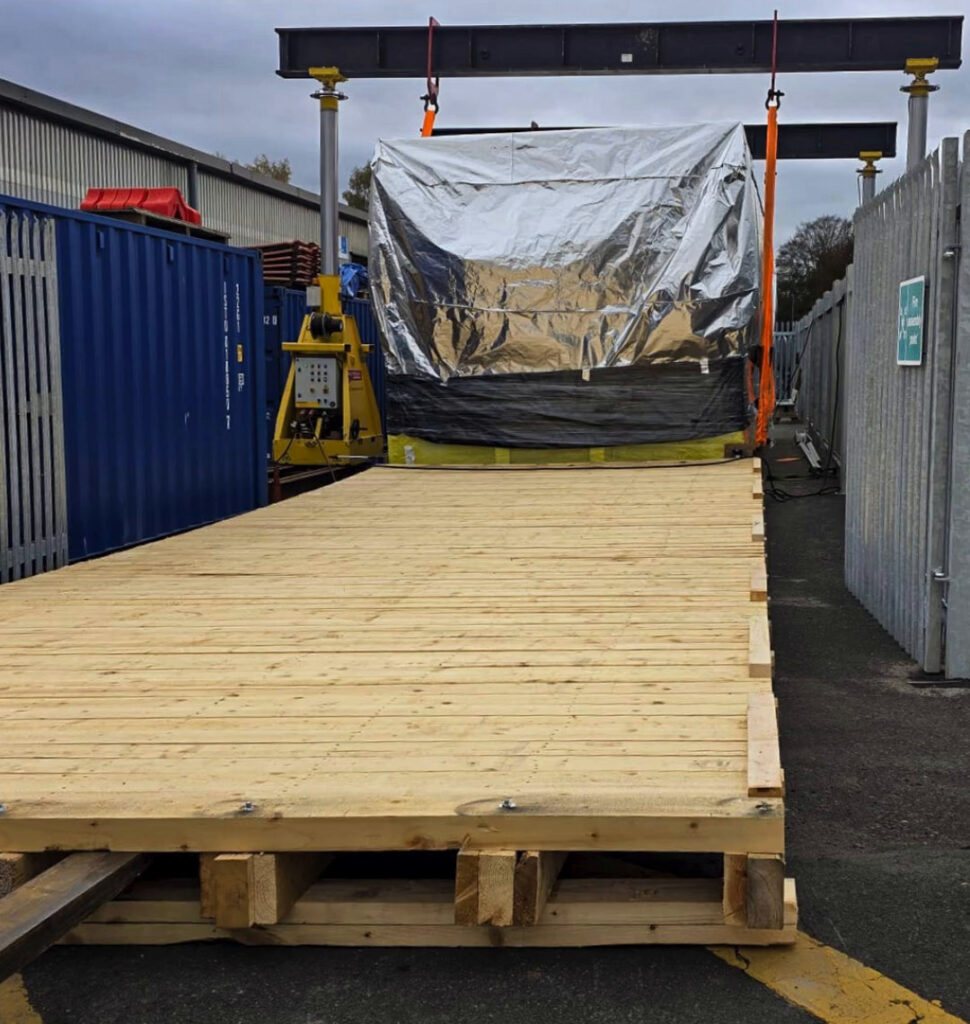
Our customer needed two full test cell modules shipped by sea, one to China and one to Saudi Arabia. Each module was far too big for a standard shipping container, so the packaging had to do the whole job on its own: keep the unit dry for weeks at sea and stand up to a one-piece lift onto the low-loader.

What we did

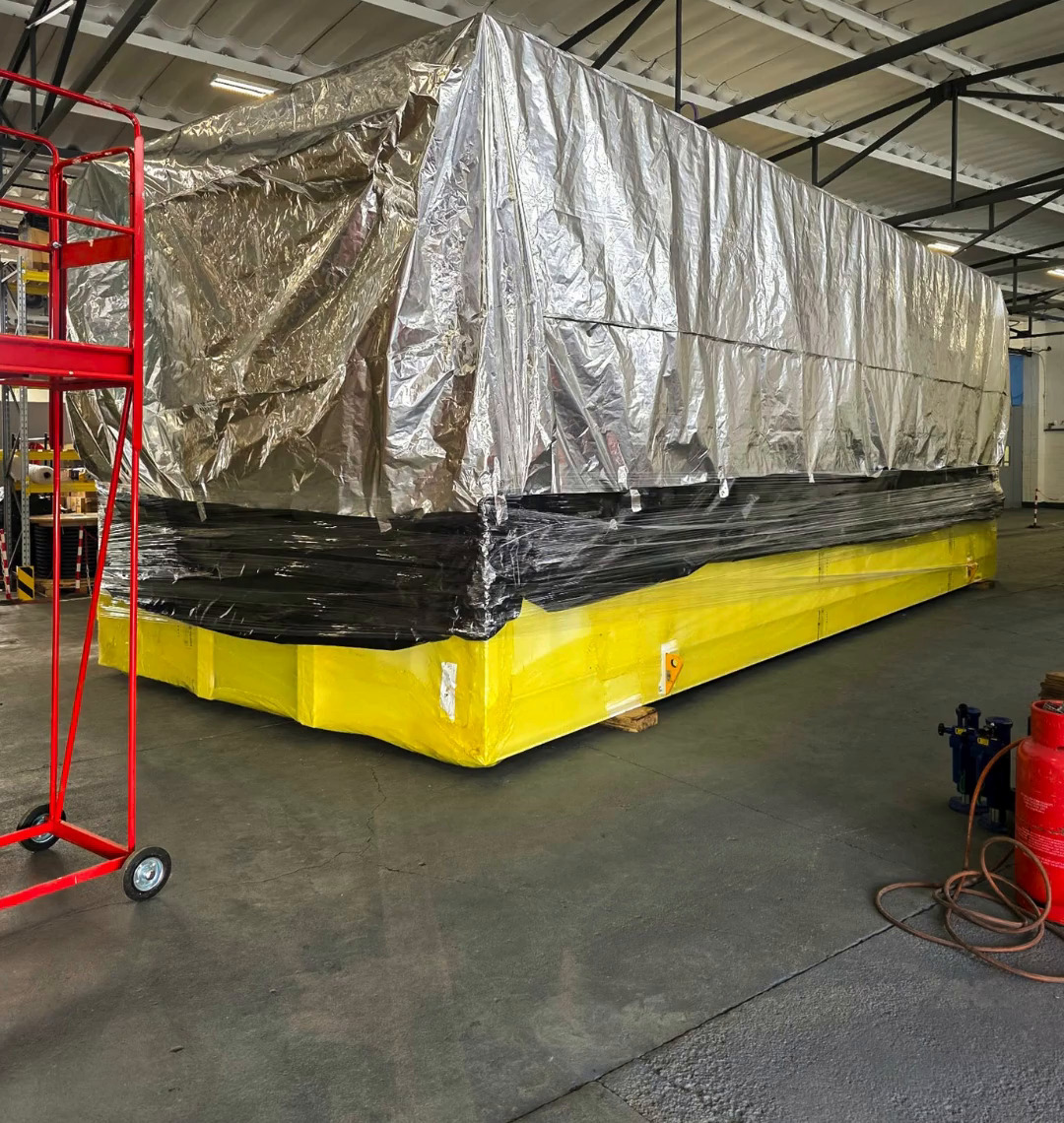
  • Moisture protection:
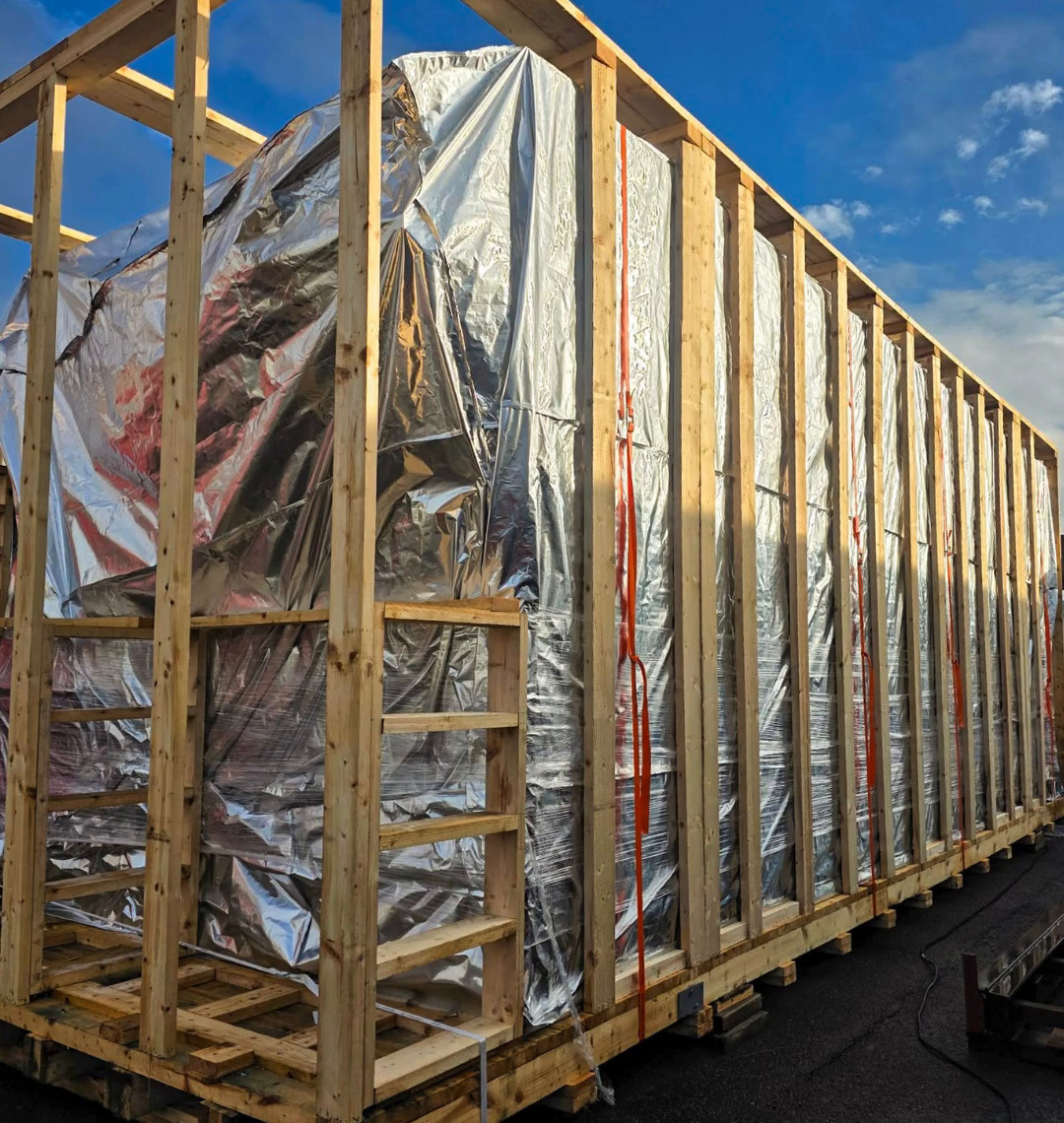
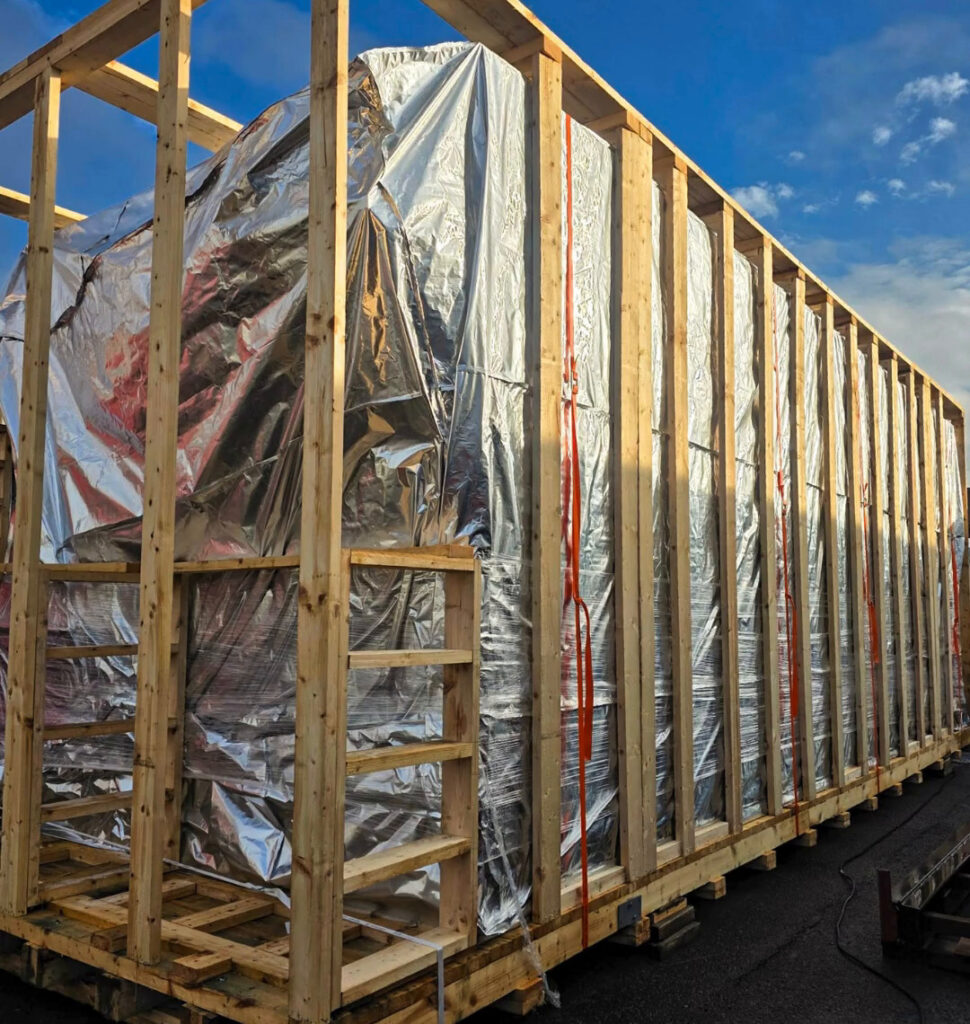
    • We sealed each module in foil barrier film to keep damp and condensation out during the sea voyage.
  • Crate built around the cargo:
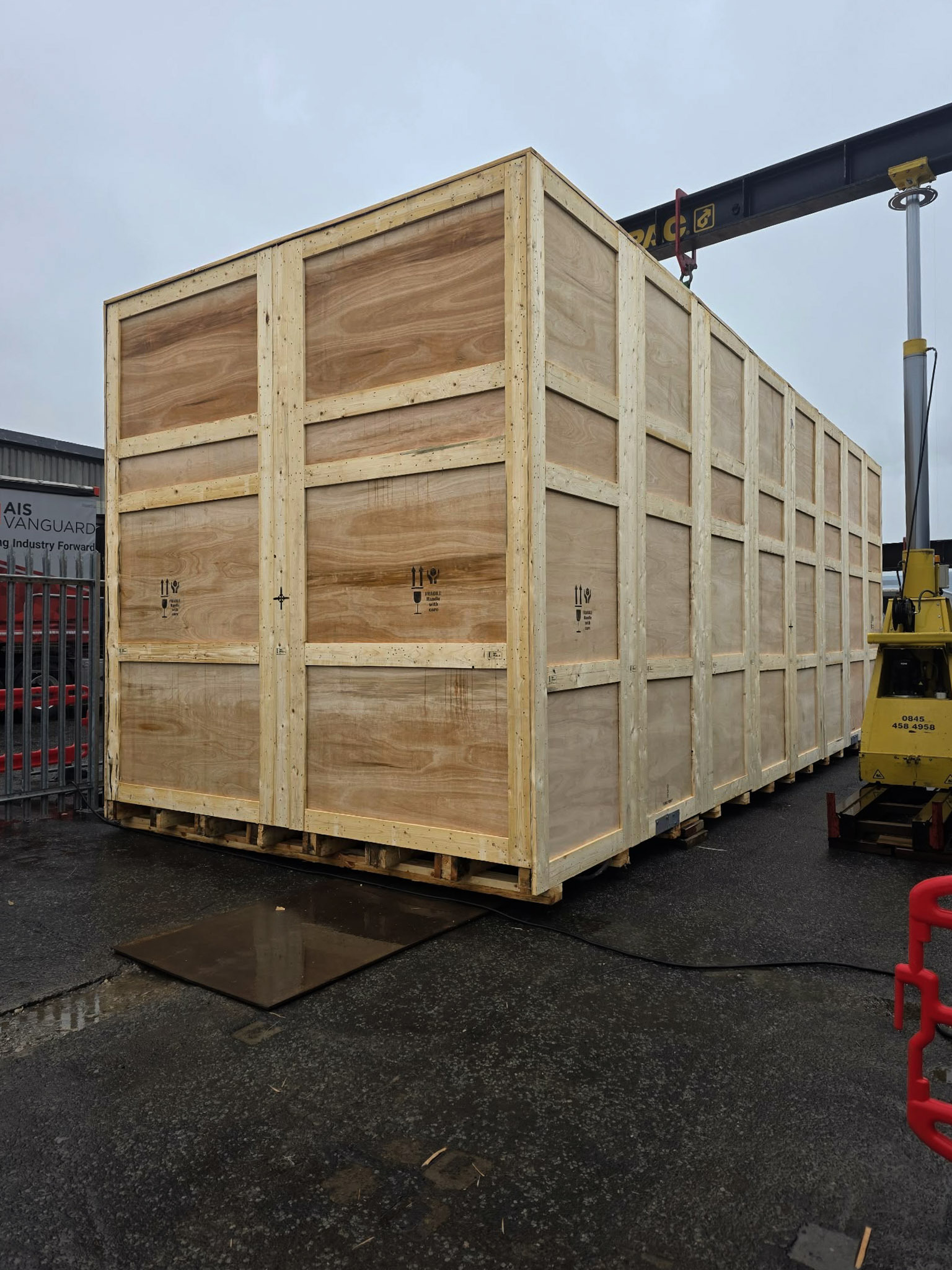
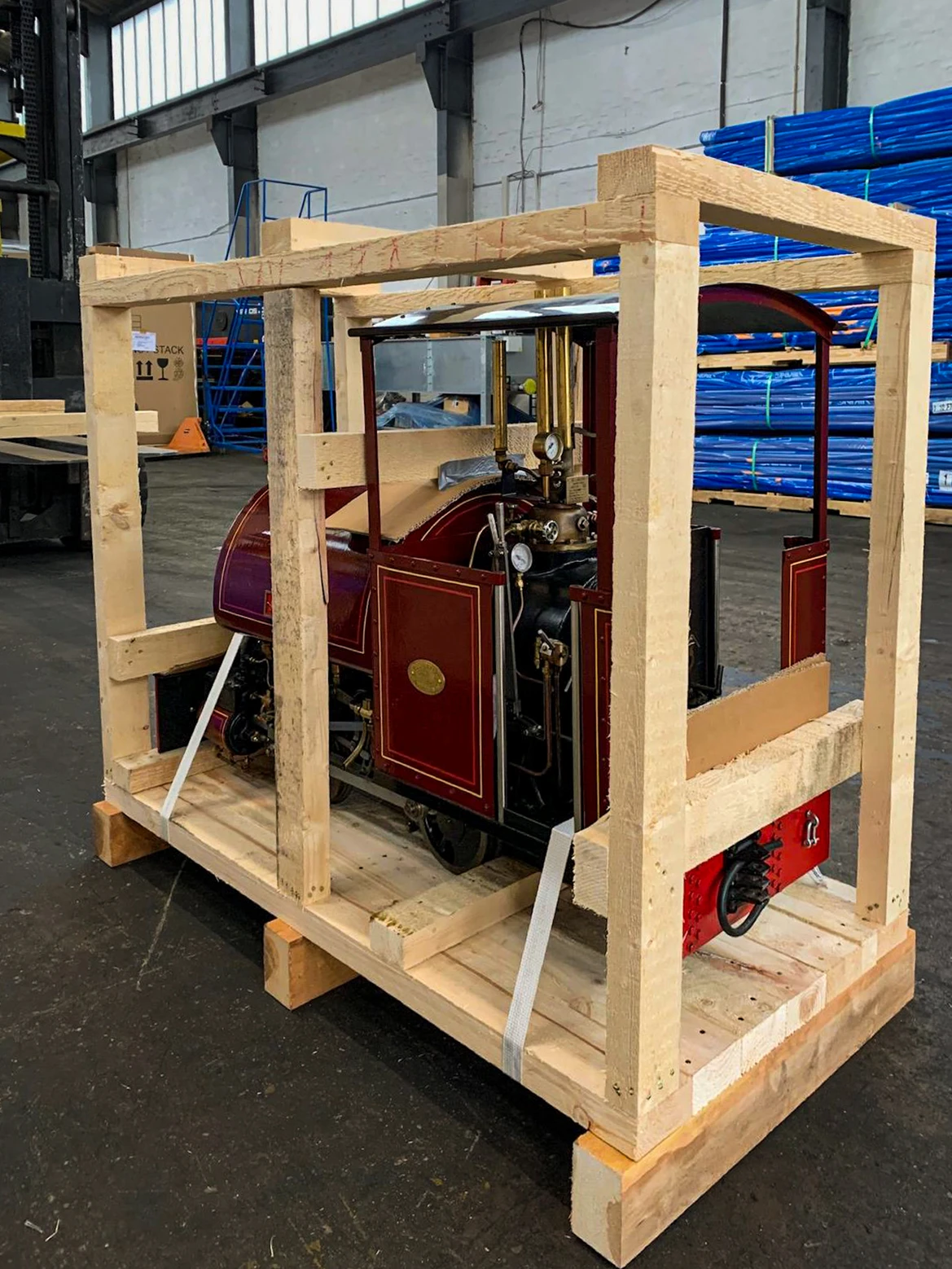
    • The timber frame was made in our Redditch workshop, then assembled around the unit on site. Building it in place meant the case fitted the module exactly.
  • Reinforce the crate:
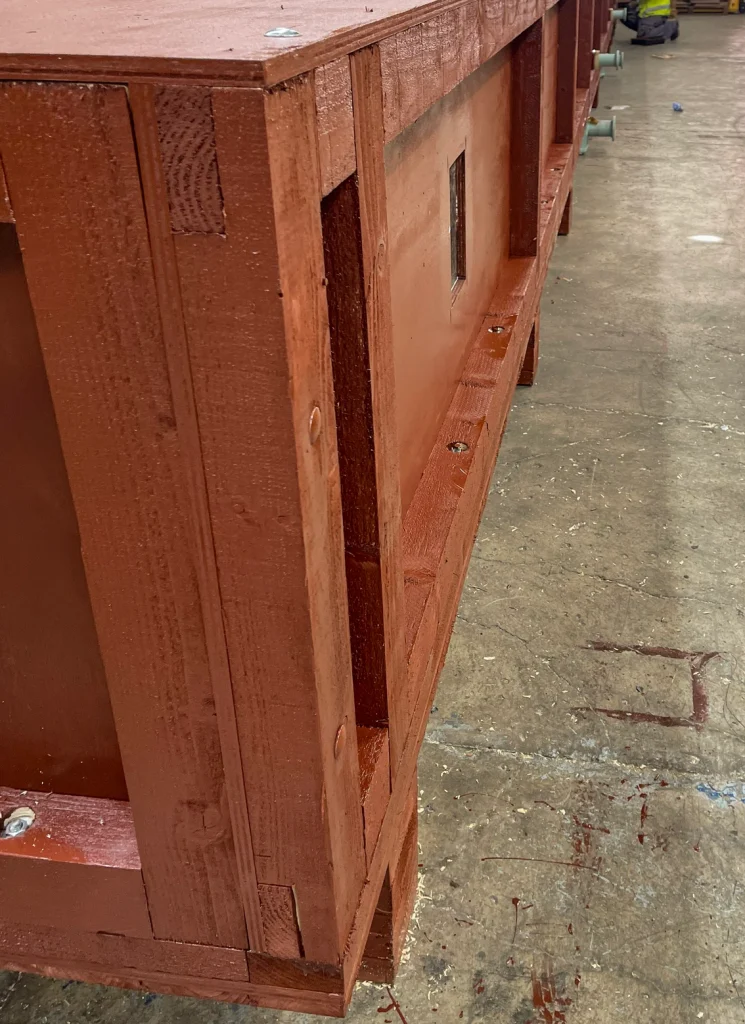
    • We reinforced the crate inside and secured the load with straps rated to double the cargo weight.
  • Lift, carefully:
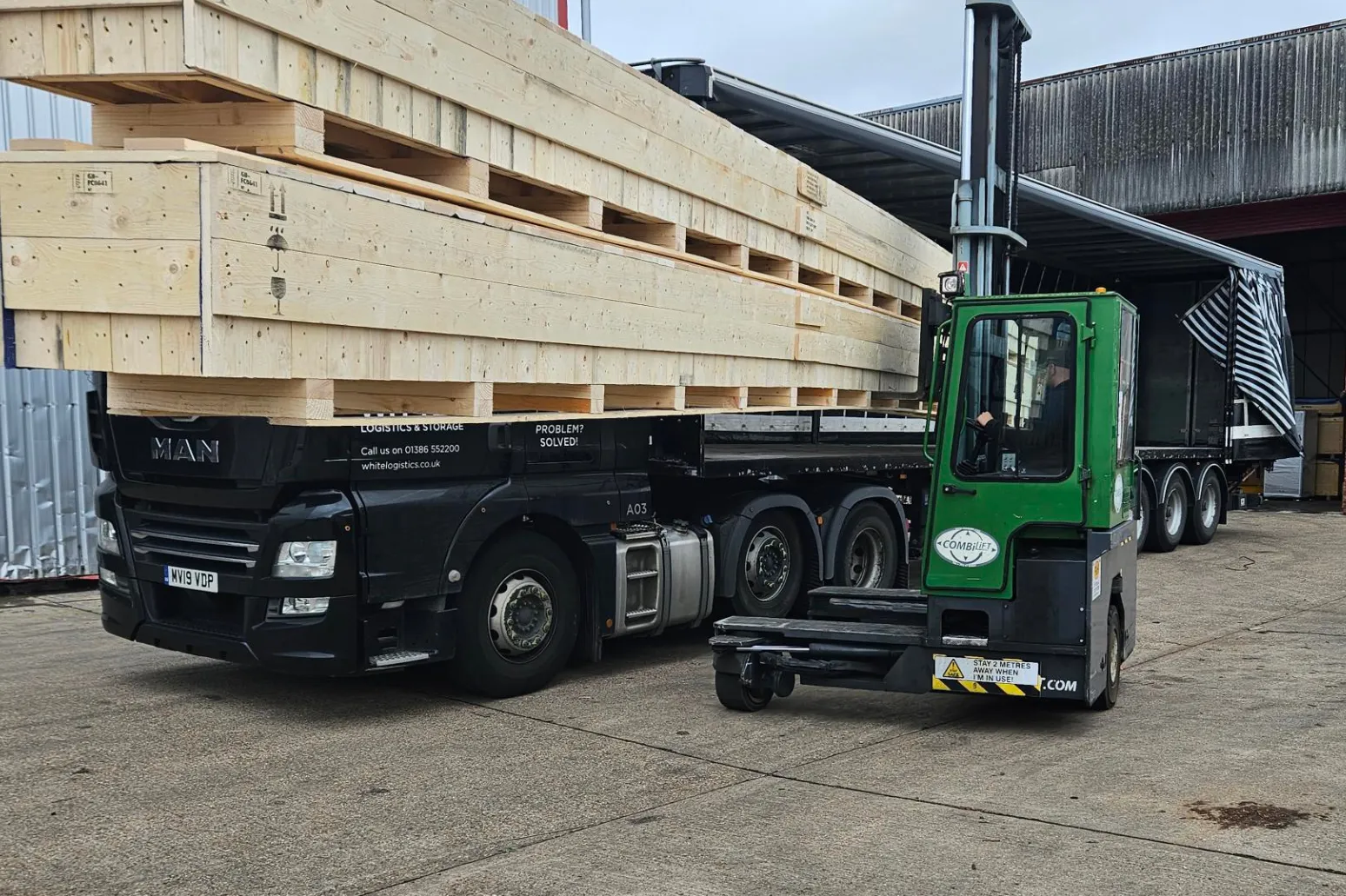
    • A hydraulic gantry raised the finished case in one piece and set it on the low-loader, ready for its journey to port.

The result

Both modules left site fully protected, sealed against moisture and ready for export. With no container big enough, the crate became the container, and it was built to handle everything the journey could throw at it.

Got cargo that won’t fit in a box? Whatever you’re shipping and wherever it’s going, we’ll design packaging around it.

Call us on 01527 521 685 or email [email protected] to talk about your next project.

Is your crate ready for export? Check the stamp

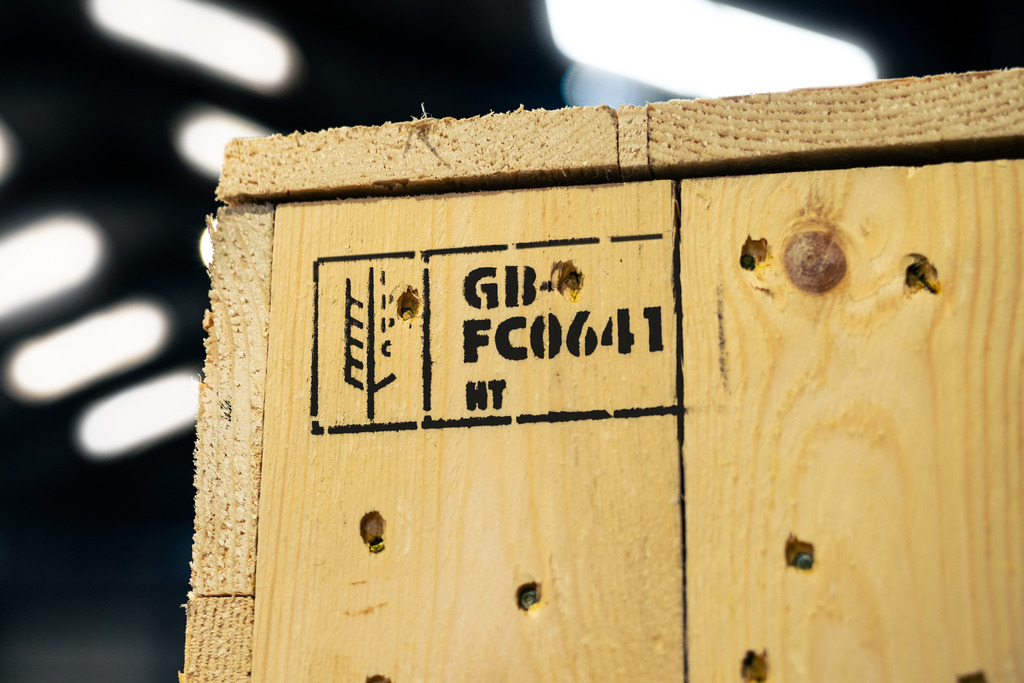
If you’ve ever looked closely at a wooden export crate, you’ll have spotted a small stamp burnt or printed into the timber.

It’s easy to overlook, but that mark is what gets your shipment through customs in most countries around the world.

What is ISPM15?

ISPM15 is the international standard for wood packaging material used in global trade. It was introduced to stop pests and diseases travelling between countries inside untreated timber. Most countries now only accept wooden crates, cases and pallets that meet it.

How to read the mark

The stamp has three parts, and once you know what to look for you can check it in seconds.

  1. The wheat symbol
  2. This is the IPPC mark. It shows the timber has been treated and marked in line with ISPM15.
  3. The country code and number
  4. “GB” tells you the packaging was treated in Great Britain. The number after it identifies the registered treatment provider. On our cases, that’s GB-FC0641.
  5. The treatment code
  6. “HT” means the timber was heat treated, which is the method we use.

Why it matters

Packaging without a valid mark can be held, treated or sent back at the border. That means delays, extra costs and unhappy customers waiting on the other end. Getting the packaging right from the start is far cheaper than fixing a problem in a foreign port.

How we can help

Every crate and case we build at our Redditch site is made with ISPM15 compliant timber and marked correctly, so you can ship with confidence. Got a shipment coming up? Call us on 01527 521 685 or email [email protected] and we’ll talk you through it.

IM Export Services works with leading experts to boost productivity and improve customer service

IM Export Services Limited, a leading manufacturer of bespoke timber cases, crates and pallets, has successfully doubled its daily manufacturing capacity after working with experts from Warwick Manufacturing Group (WMG) through the University of Warwick’s Innovation Lighthouse programme, funded by Bromsgrove and Redditch Council.

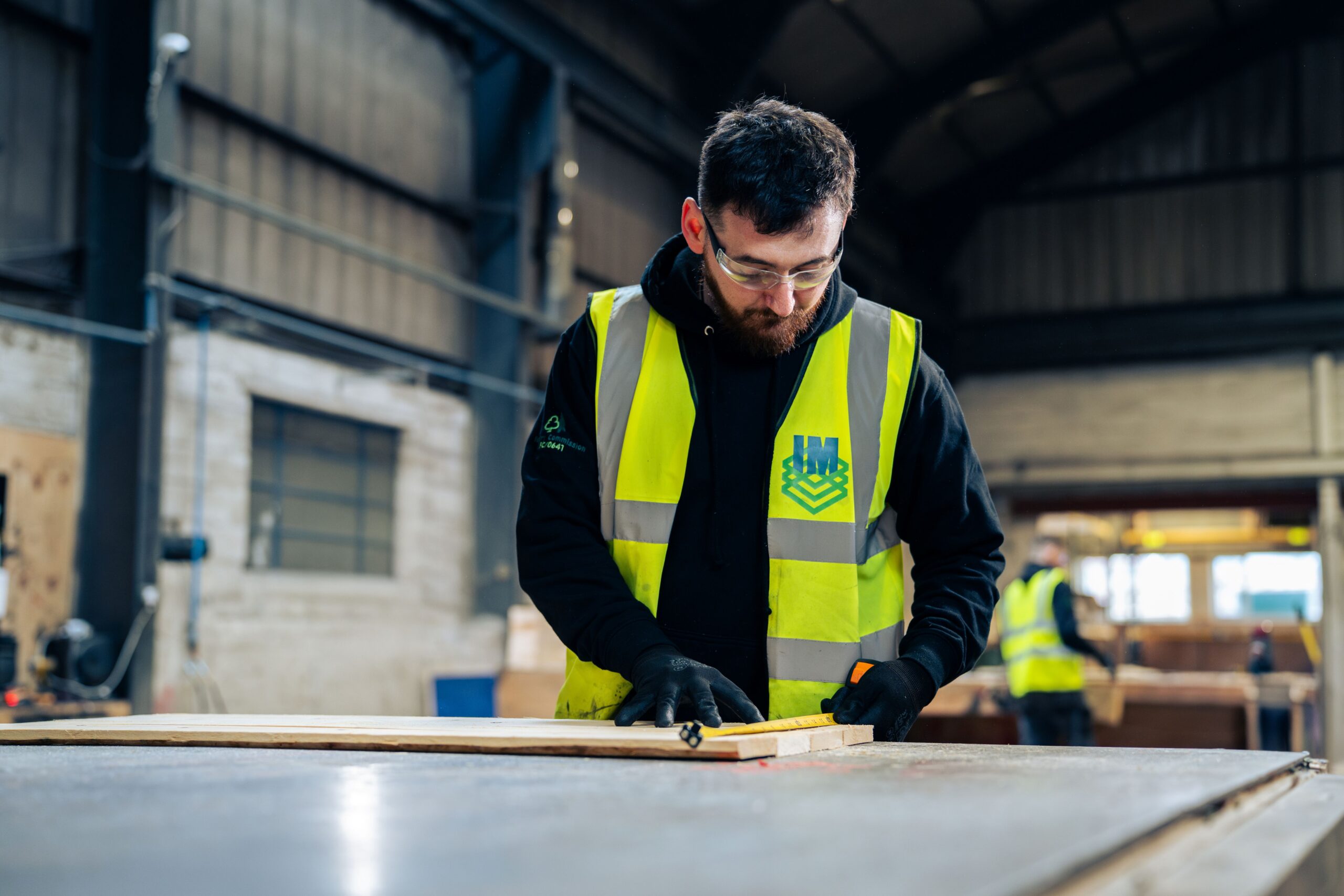
Recognising the need to improve workshop efficiency and support growing customer demand, the Redditch-based company worked closely with WMG to review its manufacturing processes and identify new opportunities to improve workshop and warehouse productivity. Following several site visits, the Innovation Lighthouse team recommended a series of practical improvements, which included redesigning the workshop layout and replacing the older workstations with modern benches.

By implementing these recommendations, IM Export Services has transformed its workshop with new workbenches, creating dedicated workspaces for each team member, giving the company capacity to build up to twice as many timber cases and crates each day for customers across the UK. The new layout is expected to streamline movement across the workshop, reduce risks associated with using power tools and increase productivity, giving each team member a dedicated workstation.

Councillor Matt Dormer, Leader of Redditch Borough Council, said: 

“It’s great to see IM Export Services benefiting from the Innovation Lighthouse programme and achieving such impressive results. Redditch has a strong manufacturing heritage, and this success shows how the right support can help local businesses grow, become more productive, and strengthen their future prospects.”

The Innovation Lighthouse programme is designed to support SME manufacturers improve their productivity, and develop new products and processes, guiding them from initial concept through to implementation. By participating in the programme, IM Export Services will receive support and guidance to help deliver its project, as well as match-funded grants to assist with the delivery of the project.

IM Export Services has been providing export packing and timber packaging solutions for more than 20 years. The company serves customers across the engineering, manufacturing, aerospace and defence sectors, offering export packing, on-site packing and ISPM-15 certified timber packaging to help businesses transport cargo safely by road, sea and air.

As demand for its services continues to increase, IM Export Services plans to roll out further operational improvements throughout 2026 as part of its long-term workshop modernisation strategy.

Dr Federico Melotti, Principal Engineer in WMG’s SME Group, added:

“It has been a pleasure to work with IM Export Services. They are a strong and ambitious business with a clear focus on productivity, quality and customer service. This project shows how targeted operational improvements can make a real difference for an SME manufacturer. By working closely with the team, we identified practical changes to the workshop layout and workflow that will support greater efficiency, productivity and future growth.”

Redditch, Worcestershire, the company provides export packing, on-site packing and ISPM 15 certified timber packaging, helping businesses transport cargo safely by road, sea and air.

Ready to discuss your next project? Contact our team today or give us a call on 01527 521 685.

For more information on the Innovation Lighthouse Programme, contact Worcestershire Growth Hub on 01905 677 888 or email info@worcestershiregrowthhub.co.uk. More information about WMG is available here.

How to pack heavy machinery for export the right way: Our top tips

Packing heavy machinery for export? Here are 6 useful tips to help protect your equipment, keep it secure and avoid delays.

Export packing heavy and oversized machinery isn’t always as straightforward as you might think. There are several factors that need careful consideration, which is why we’ve put together a checklist of our six top tips for packing machinery safely and efficiently.

Tip 1: Inspect every piece of equipment beforehand

First things first, carrying out a thorough inspection and assessment is one of the most important steps. This helps with planning and ensures you know exactly what you’re working with. Make sure you:

  • Make a note of the dimensions and weight
  • Identify all lifting points & inspect any fragile or exposed components
  • Check for any internal or moving parts that may need securing to prevent movement or loss of calibration during transit

Tip 2: Consider disassembling

If possible, disassembling machinery into smaller sections can make a huge difference. Not only does it make packing and container loading easier, but it can also open up more shipping options that may be more cost-effective.

For any disassembled equipment, make sure all components are clearly labelled so they can be easily reassembled at the destination. This also helps ensure all parts are accounted for during packing and reassembly, especially when working from a packing list.

Tip 3: Use the correct packing materials

Using the right packing materials is essential. Steel strapping, treated timber and heavy‑duty cases or skids are commonly used when exporting heavy machinery.

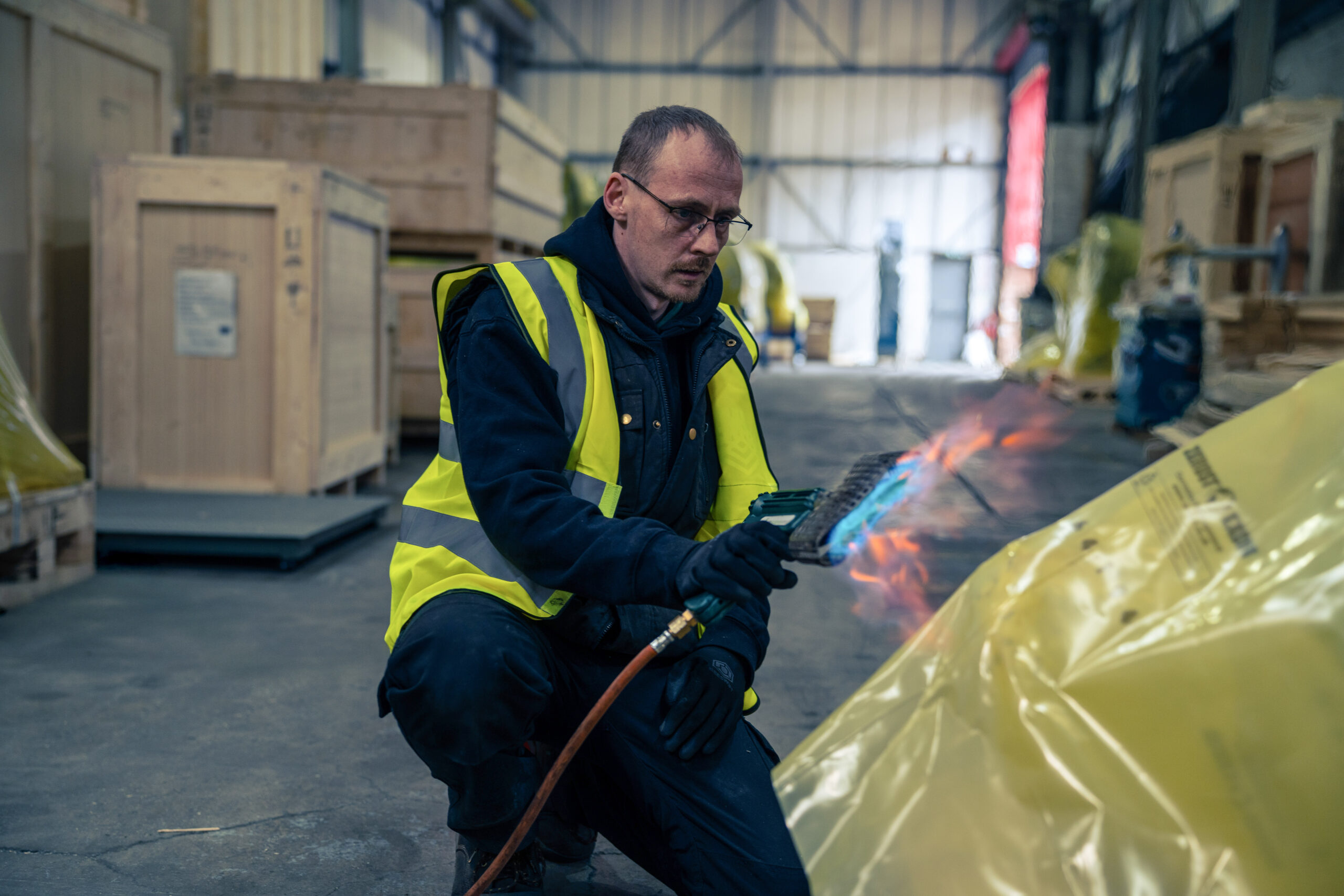
You may also need to consider additional moisture protection, particularly when using ocean freight. Options include foil vacuum bags, shrink wrapping or blue case lining material, which can be applied to internal panels or the exterior of the case. This leads onto our next point…

Tip 4: Protect equipment against moisture damage

Moisture protection is crucial. When machinery is shipped overseas, especially by sea, any metal components must be protected against water and damp conditions. We recommend the following packaging options:

Without this protection, there’s a high risk of corrosion or internal damage before the equipment even arrives.

Tip 5: Keep everything secured

One of the biggest risks during transit is movement. Even slight shifting can lead to costly damage if equipment isn’t properly secured. To reduce this risk, ensure the machinery is:

  • Bolted or securely strapped to a skid
  • Supported with internal timber bracing to prevent movement
  • Fixed firmly in place so nothing can shift during transport

Tip 6: Export regulations

Finally, make sure your shipment meets all international export requirements. This includes making sure all timber materials are ISPM 15 compliant and that the correct export documentation is in place before dispatch. Failure to meet these requirements can result in delays, additional costs or in some cases, cargo being rejected at port.

By adhering to all relevant regulations, your business can safeguard operations, maintain a strong reputation and reduce the risks associated with international trade. Our sister company, IM Freight Forwarding, can support your business by providing expert guidance with international trade compliance and logistics.

“Common issues we see when machinery isn’t packed correctly. Packing mistakes can create big headaches once machinery is on the move. Parts can shift and throw off calibration and components can move aorund. That’s why it’s so important to follow these steps to avoid any issues further down the line.” – Joe Nolan, Director of Operations

Need support with a current or upcoming export project?

… let us know. We can visit your site, discuss your project, assess your requirements and recommend the best approach, taking the pressure off managing the move yourself. We also offer on‑site and in‑house export packing solutions for heavy machinery, factory relocations and specialist equipment.

For more information, send us a message or email [email protected].

Behind every order is one production manager and two drivers

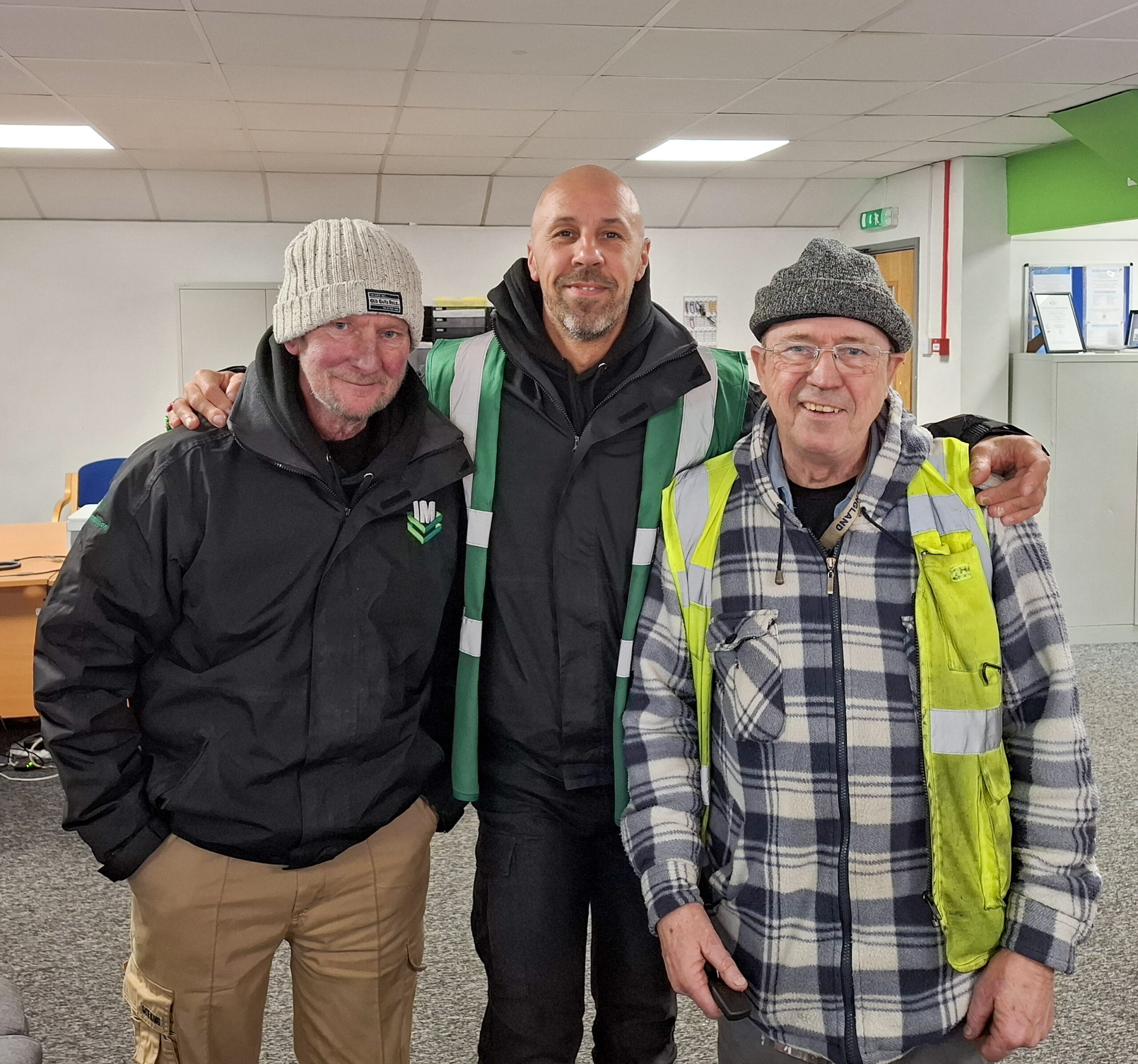
From left to right, Fred (delivery driver), Marcin (production manager) and Alfie (delivery driver).

Meet the team behind the scenes…

if you have ever placed an order for delivery with IM Export Services, then at some point you might have come across Fred and Alfie, our two delivery drivers. Over the last few years, they have been the driving force, literally, delivering orders to our customers.

Then there’s Marcin, also known as Mr Marcin, who has been with us since the early days, starting out with building cases and crates to managing a whole production team of over 30 staff. When you first meet Marcin, he comes across a little serious at first, but that’s simply because he is someone who takes pride in his work and ensures every order is made to the highest standards. But on quieter days, that’s when you’ll see a different side to him. A relaxed, calm Marcin, bantering with his colleagues.

All three have played a huge role in getting the business to where it is today. So, a huge thank you for all your hard work and dedication over the years.

Also, don’t forget to wave at Alfie and Fred the next time you see them on their travels. 👋

A look back at Marcin building cases in our workshop back in 2018…

Videos

What is Export Packing? 

When you’re exporting heavy machinery, industrial equipment, or any high‑value product overseas, this isn’t just about bubble wrap and hope for the best. You need a specialist export packing service that ensures your items arrive in the same condition they left, undamaged.

Export packing is essential when shipping heavy machinery, industrial equipment, or high-value products overseas. It’s not just about protecting the items from damage but also making sure everything complies with export regulations, survives long-haul transit, and lands where it needs to, adhering to international shipping standards and regulations.

Why is it important?

Export packing is the process of preparing, packaging, and securing goods for international shipment. It’s about meeting international regulations, minimising risk, and ensuring smooth transit from start to finish. 

Proper Export Packing:

✅Meets international shipping standards and ISPM15 compliance

✅Prevents corrosion, movement, and physical damage

✅Ensures faster, smoother customs clearance

✅Reduces risk of delays, fines, or rejected shipments

Neglecting can lead to:

❌ Customs rejection due to non-compliant materials

❌ Corrosion damage from poor moisture control

❌ Structural issues caused by bad securing

❌ Lost contracts or costly delays from damaged goods

What’s included?

Whether you’re shipping a single machine or coordinating a full facility move, everything needs to be packed to spec, not just boxed and labelled. Depending on your shipment, export packing may involve:

  • Heat-treated timber cases (ISPM15 certified)
  • Bespoke wooden crates, pallets, and cases for oversized or high-weight items
  • Corrosion protection: VCI wraps, desiccants, foil barriers
  • Shock and moisture-resistant materials for sea or air freight
  • Shrink-wrap, foam lining, and secure strapping systems
  • Factory relocation packing, including full on-site logistics

Need Export Packing built to spec?

We provide specialist export packing services for manufacturers across the UK, including bespoke timber crates, cases & pallets, on-site packing, and full factory relocation support.

Driver of forklift truck with export packages

Contact us today to discuss your next shipment or relocation project by clicking 👉 here.

IM Export Services builds a 15-metre-long military case to the highest standard

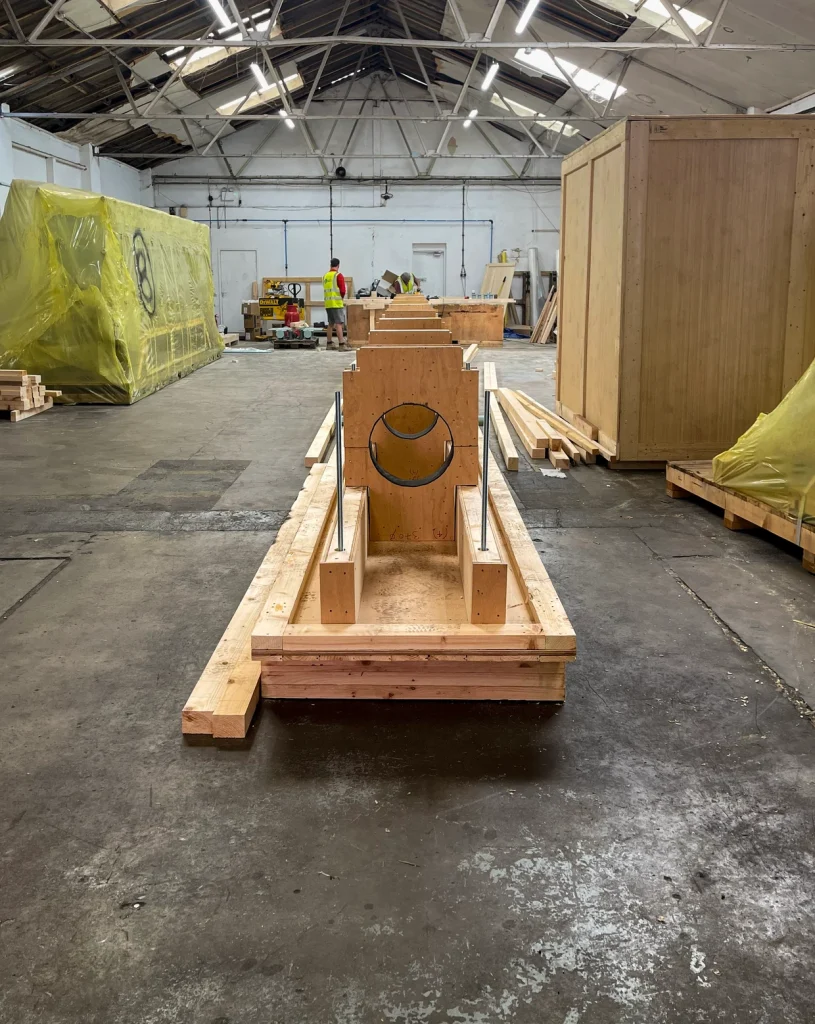
We work with suppliers to the Ministry of Defence (MOD) to design and build military cases in-house, manufacturing bespoke cases that meet strict MOD standards. One of our projects was to design and build a 15-metre-long Level J case, built to protect specialist military equipment being shipped from the UK to Canada.

For this project, our team was responsible for designing and constructing a reusable MoD-approved case for a 15-metre-long military shaft. The case meets Level J standards, the highest protection level under MoD packaging requirements. Our team designed it to provide maximum safety for valuable or sensitive cargo travelling through challenging and unpredictable environments.

Meeting Level J standards meant paying close attention to:

  • Strength and stability for heavy loads and long journeys
  • A reinforced frame made from high-grade plywood and timber
  • A reusable design to reduce waste
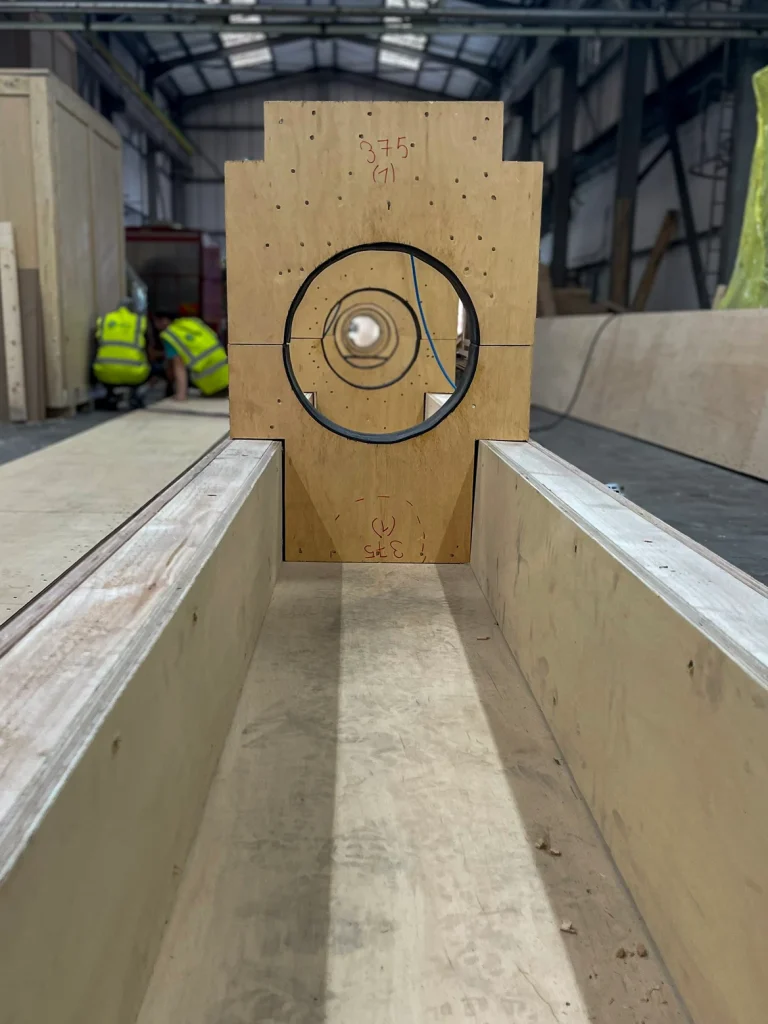
  • Custom internal supports shaped precisely to fit the shaft

The design and build process

Our team designed and built the case in-house, using our CAD system to design and measure before moving into production. Considering its size and weight, we made sure that the case remained stable and supported throughout every phase of the build.

We reinforced the internal frame with heavy-duty timber and plywood panels, adding bespoke internal supports and mounting points to keep the case secure during shipping.

The case featured steel-studded fixings running through multiple custom scallop supports, each fitted with 5mm foam linings to prevent vibration and the internal layout included four scallop sections of varying diameters (ranging from 315mm to 375mm), each reinforced with 15mm plywood supports for added rigidity.

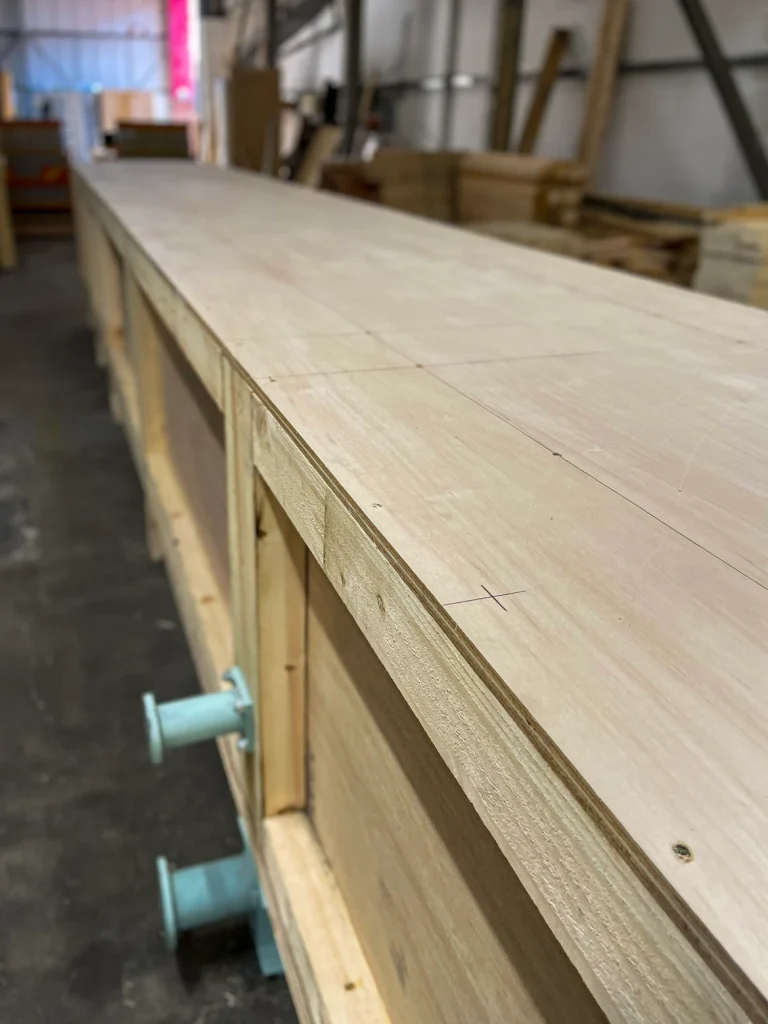
We built the outer structure with 75 × 100 mm timber framing along the full internal length, combined with a steel and plywood frame, and fitted a top hat-style lid to strengthen the upper section.

The final result

Our team built the case in just over a week, then carefully moved it out of our warehouse and forklift-loaded it onto the lorry. The case weighed around 10 tonnes and measured 14,365 mm in external length.

We regularly work on packing projects for the Ministry of Defence, providing bespoke designs tailored for suppliers throughout the UK. If you would like to learn more about our MoD projects or discuss your upcoming project, please contact our team or click here for more information.

To learn more about how we support MoD and defence projects, visit our Aerospace and Defence services page.

Building a Military of Defence case
Initial base and internal support structure built for the case.
The process of building a case
Internal framework aligned and prepared for bespoke supports and mounting points.
Military of Defence case
Panels fitted to form the main body of the case, creating a rigid protective structure.
Military of Defence case
Full case structure assembled and checked prior to final reinforcement and finishing.
Military of Defence case
Protective coating is applied to enhance durability and resistance.
Military of Defence case
Case completed showing reinforced edges and final exterior finish, ready for final inspection and shipment.

Packing delicate and high value equipment

At IM Exports Services, we specialise in protecting your cargo for deep sea, air, and road transport. Each item of cargo has unique requirements for safe transportation, whether it’s a small electrical appliance or a large industrial machine, as well as complete factory relocations. We work closely with our customers to understand the journey their cargo will take and design the packaging according to the type of cargo and mode of transport.

How we keep your equipment safe

Preventing movement in transit: We use various methods to secure cargo, including soft straps, timber braces, coach bolts, and rubber and foam padding with vibration feet. These methods help to mitigate the different forces on cargo during transport.

Moisture control: We have several methods to protect cargo from corrosion. This includes applying wax oil to shiny surfaces, using VCI shrink film protection, barrier film bags, and desiccants, along with humidity indicators to monitor conditions. These measures are especially crucial for items sensitive to moisture, such as electronics and optical instruments.

Building the case: We construct ISPM 15-certified timber cases featuring reinforced bases and forklift pockets. Our cases are built to exact dimensions to make sure the item remains secure during handling and delivery, while also reducing unnecessary freight costs by avoiding oversized packaging.

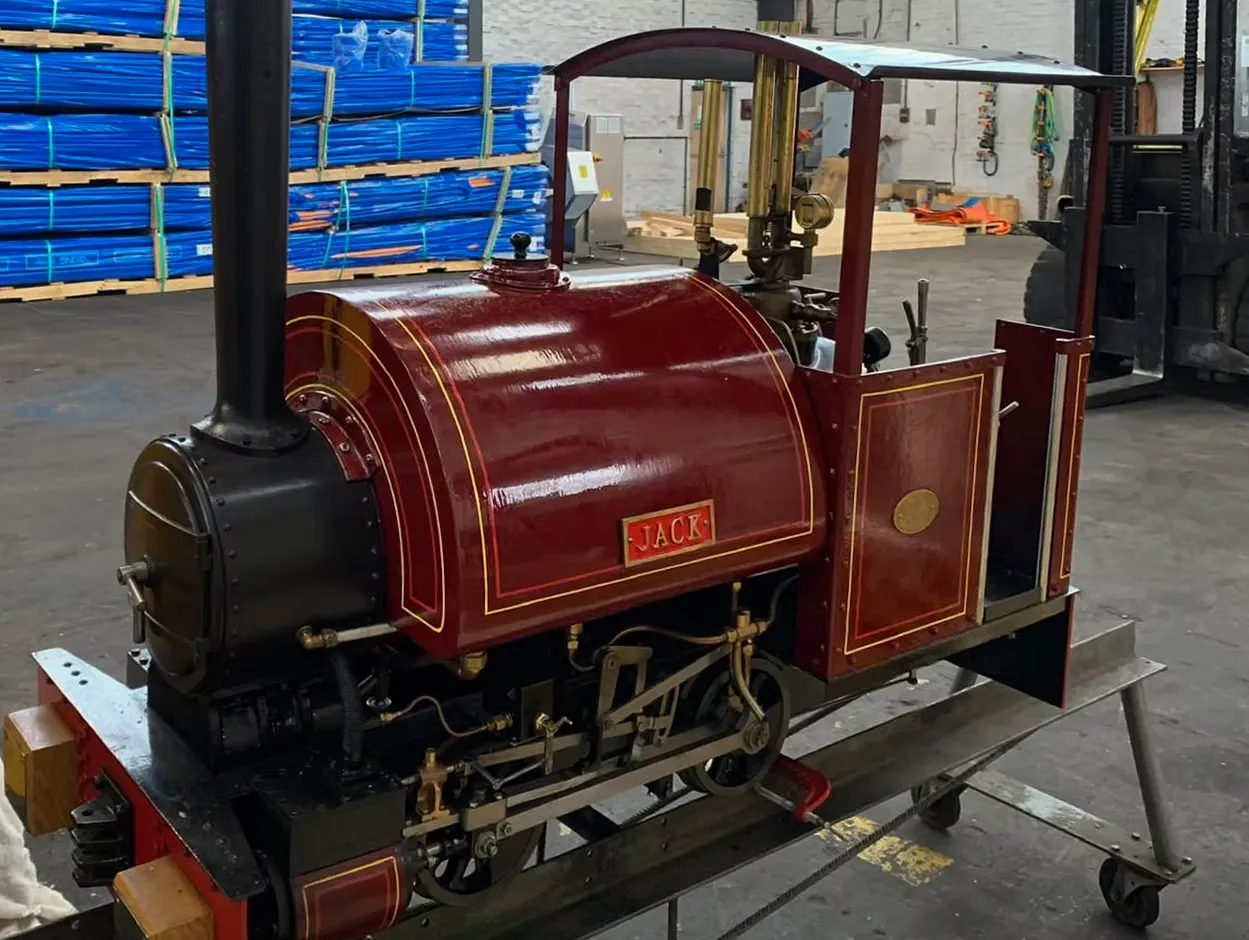
Locomotive train to be exported
IM Export Services packs a packed a restored locomotive with delicate components.
Locomotive for exporting
We met the customer, measured the locomotive and identified weak points.
IM Export Services used soft straps, timber braces and padding to stop any rattle
Soft straps, timber braces and padding to stop any rattle.
VCI protection, barrier wrap and desiccants
To avoid rust on metal surfaces we applied VCI protection, barrier wrap and desiccants.
IM Export Services built an ISPM 15 certified timber case with a reinforced base and forklift pocket
Built an ISPM 15 certified timber case with a reinforced base and forklift pocket
Labelled case and prepared the shipping documents for handover
After a final inspection we labelled the case and prepared the shipping documents for handover.

We are committed to making sure that all our deliveries meet our customers’ expectations with no damage and no surprises.

If your equipment needs extra care, click the link below to explore our full timber products range or for anything else email us at [email protected]

Useful tips. Questions to ask any packing partner:

1. How do you prevent movement during transport?

2. How do you control moisture and vibration?

3. Are your cases certified for export (ISPM 15)?

New equipment upgrade at IM Export Services

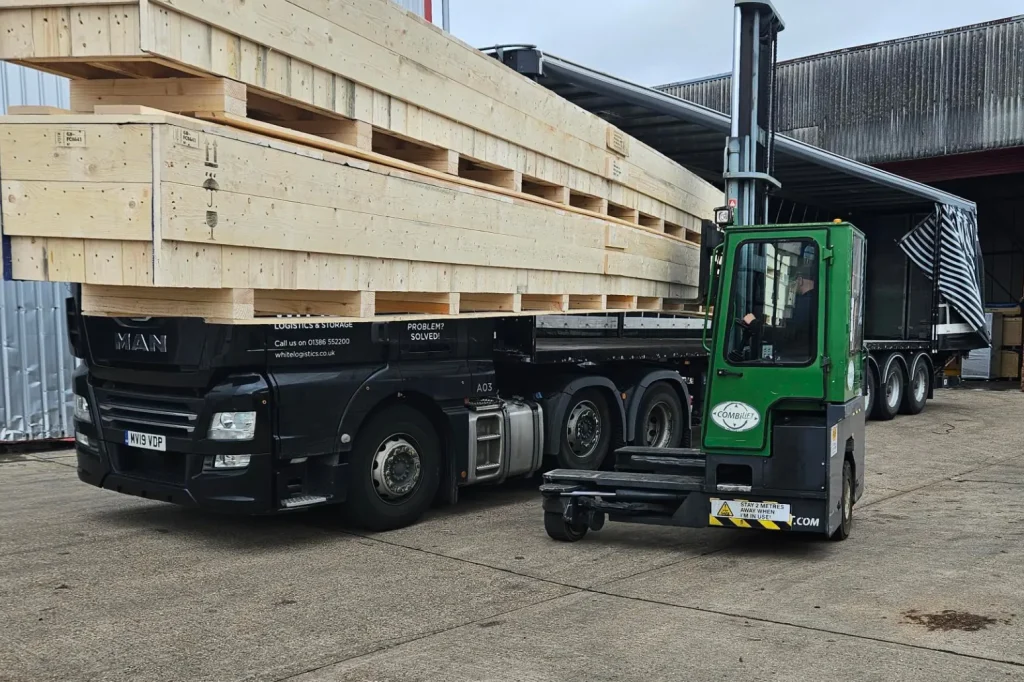
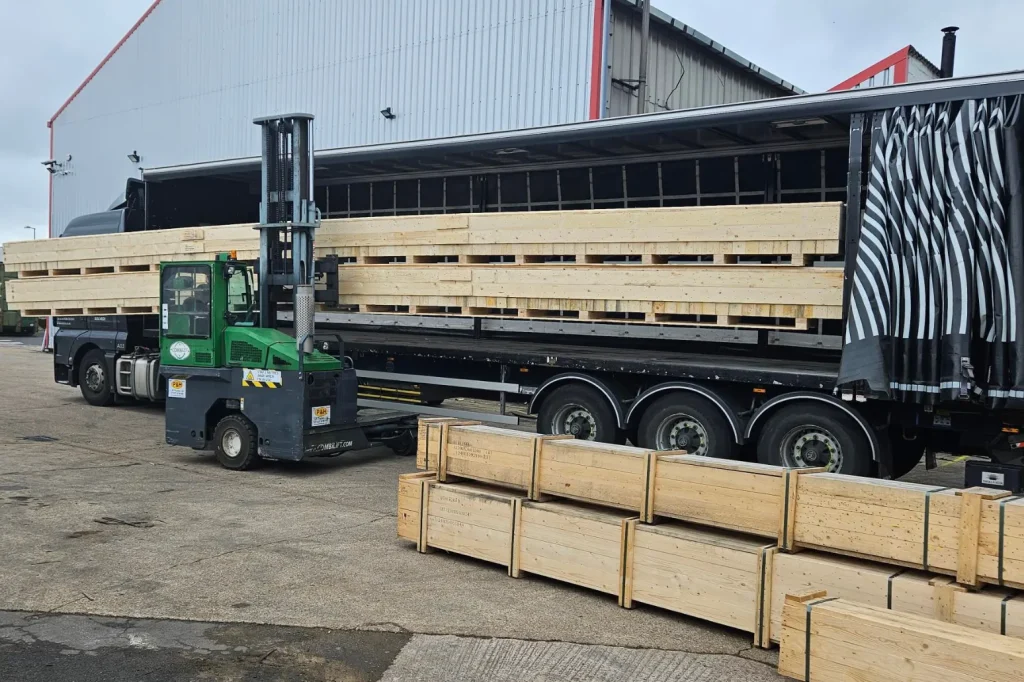
We’ve recently added a new Combi forklift truck to our fleet to improve efficiency and handling across our warehouse operations.

This specialist forklift combines the functionality of a standard forklift with a side loader, allowing us to operate safely in confined spaces while handling longer and heavier loads with greater control.

The new truck helps us move large timber packs, long-length cases and oversized loads more efficiently, supporting faster turnaround times and safer handling for our team.

Explore other equipment we’ve invested in to improve efficiency, including our new ProCut saw.